How Often to Replace Mulch: Maximizing Longevity & Value
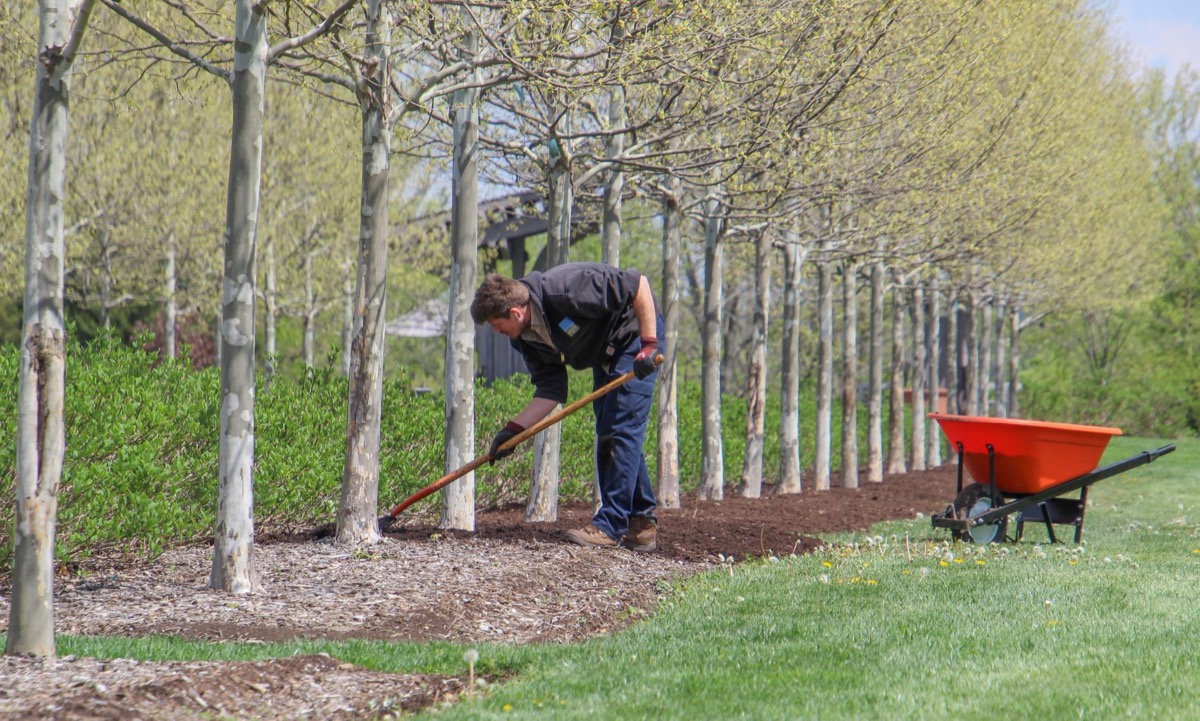
Understanding how often to replace mulch is a common question for homeowners and professionals aiming for a healthy, attractive landscape. As highlighted in a recent AOL.com article, "We Asked Garden Pros How Often You Should Replace Mulch—Here's What They Said," the answer isn't always a simple one-size-fits-all, but rather depends on several key factors.
This guide will help you understand the variables that influence mulch breakdown, provide practical guidelines for replenishment based on mulch type, and offer insights into long-term planning for quantity and cost, ensuring you get the most value from your mulching efforts.
Factors Affecting Mulch Breakdown and Longevity
The rate at which mulch breaks down and needs replenishment is influenced by several environmental and material characteristics:
- Mulch Type: Organic mulches (like wood chips, shredded bark, pine needles, or compost) decompose over time, adding nutrients to the soil. Finer mulches and those from softer woods tend to break down faster than coarser, harder wood chips. Inorganic mulches (like gravel, river rock, or rubber mulch) do not decompose.
- Climate and Weather: Areas with high rainfall and humidity will generally see faster decomposition rates due to increased microbial activity. Intense sunlight can also degrade some organic mulches more quickly, while wind can lead to displacement and erosion, especially with lighter materials.
- Application Depth: An optimal mulch depth of 2-4 inches is generally recommended for most landscape beds. Too thin, and it breaks down quickly and loses effectiveness. Too thick (over 4 inches), and it can suffocate plants or create an environment conducive to pests and diseases.
- Soil Activity: The presence of beneficial microorganisms, earthworms, and other soil life will contribute to the breakdown of organic mulches, converting them into valuable soil amendments.
- Foot Traffic & Erosion: Areas with frequent foot traffic or slopes prone to erosion may require more frequent replenishment or a more durable mulch type to maintain coverage.
General Replenishment Schedule by Mulch Type
While specific needs vary, here's a general guide for how often different types of mulch typically need to be replaced or refreshed:
- Shredded Hardwood Mulch: Often needs replenishing annually or every 18-24 months. Its interlocking nature helps it stay in place, but it decomposes steadily.
- Wood Chips (Larger Chunks): Can last 2-3 years or more before needing significant replenishment due to their larger size and slower decomposition rate. These are excellent for paths and low-maintenance areas.
- Pine Needles (Pine Straw): Typically need refreshing annually, particularly in areas with heavy rain or wind. They decompose slowly and acidify the soil slightly, which is beneficial for certain plants.
- Compost or Leaf Mold: These are often replenished annually as they are designed to break down relatively quickly, enriching the soil with organic matter and nutrients.
- Dyed Mulches: While the wood base decomposes at a similar rate to natural mulches, the color may fade within 6-12 months, leading some homeowners to refresh them annually for aesthetic reasons.
- Inorganic Mulches (Rock, Gravel, Rubber): These do not decompose and rarely need replacement. They may require occasional cleaning to remove debris or weeds, and some settling may occur over time, necessitating a top-up if coverage diminishes.
Regularly check your mulch depth. If it falls below 2 inches, it's a good indicator that it's time to add more. For accurate calculations of how much mulch you need, use our free mulch calculator.
Planning for Long-Term Mulch Needs and Cost
Understanding how often to replace mulch directly impacts your annual quantity requirements and budget. If you apply 3 inches of mulch annually to a large area, your volume needs will be consistent each year. If you apply a thicker layer of a slower-decomposing mulch every two years, your biennial quantity will be higher, but your annual average might be similar.
Consider these points for long-term planning:
- Annual Volume Estimates: Once you determine your ideal replenishment frequency, you can better estimate the total cubic yards or bags of mulch needed each year. Our free mulch calculator can help you determine initial quantities for your beds and then adjust for annual top-ups.
- Cost-Effectiveness: While inorganic mulches have a higher upfront cost, their longevity can make them more cost-effective over many years. Organic mulches require ongoing purchases but offer significant soil health benefits. Compare bulk vs. bagged mulch costs for potential savings on larger projects.
- Maintenance vs. Replenishment: Even if your mulch isn't breaking down, regular maintenance like raking to prevent compaction, removing weeds, and ensuring proper depth can extend its effective life.
- Soil Health: Remember that organic mulches aren't just for aesthetics; they break down to improve soil structure, moisture retention, and nutrient content, reducing the need for fertilizers over time.
Mulch bags for 100 sq ft by depth
Key Takeaways
- Organic mulches decompose and typically need replenishment every 6 months to 2 years, depending on type and environmental factors.
- Inorganic mulches like rock do not decompose and rarely need replacement, though they may require cleaning or refreshing.
- Factors such as mulch type, climate, application depth, and soil activity significantly influence how quickly mulch breaks down.
- Aim for a consistent 2-4 inch mulch depth in beds to maximize benefits and longevity.
- Planning your replenishment schedule helps accurately estimate annual mulch quantities and manage your landscaping budget.
Try It Yourself — Free
Ready to calculate your mulch needs for this season or next? Use our free mulch calculator to determine exactly how much you'll need. For larger projects, you might also find our guide on how many bags of mulch are in a yard helpful.
Related Resources
- Bags of Mulch in a Yard
- Bulk vs Bagged Mulch Calculator
- How Many Bags of Mulch on a Pallet
- How Much Does a Yard of Mulch Weigh
More From Our Network
- Duct Size Calculator — same niche
- cyberfrad — our network
Sources
- AOL.com — Original report